- Frill Free Horticulture
- Garden Designs
- Coracle Bed
Jacki Cammidge is a Certified Horticulturist specializing in frugal, low-input gardening and propagation, with lifelong hands-on experience and years as a wholesale nursery head propagator.
Coracle Bed
A Twig Sided Garden
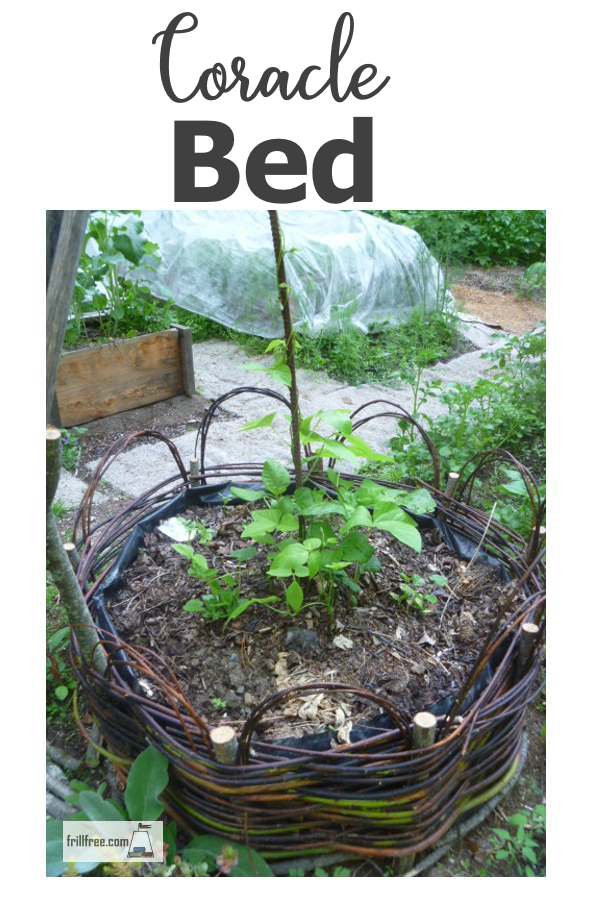
I've been avid about twigs for ages - and here's what I've finally built for my squash and beans - a willow twig coracle bed.
In
potager gardens in Europe, these kinds of beds were routinely used for
compost to grow all kinds of vegetables in, and what could be better for
the lush healthy plants than to start these in the summer previously
and start filling with scraps from the garden to rot down and make soil
for planting.
I've lined mine with old plastic recycled from
the soilless mix I use for containers. I place the bag with the black side to the outside, with the printed side out of sight on the inside. Some plants that love heat really like this - see the page on potatoes in plastic here.
I like the look of the twigs woven around the
uprights, and now they've started to age to a dark brown from the
original bright green, they'll blend in nicely. I plan on building
another one for the other end of the rebar archway, which for now I have
black bags filled with compost to grow the beans and squash in.
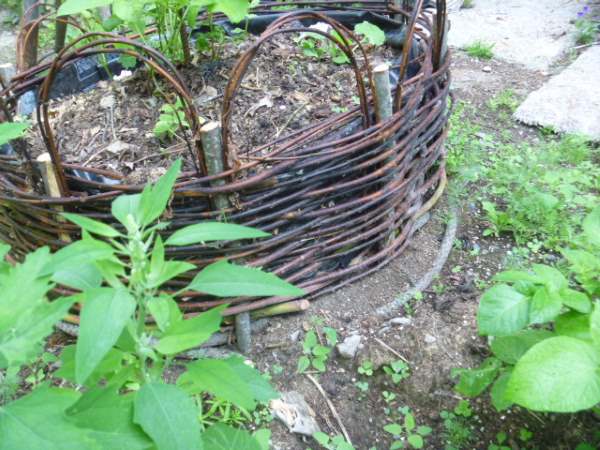 Coracle Bed made from willow twigs
To
start, I pounded into rain-softened ground an uneven number of stakes -
uneven numbers are essential to be able to weave the smaller twigs
around.
I collected willow from my property, if you can't find
any close by, a good alternative is the long water sprouts from an
orchard, which will be easy to find in the spring when they prune the
trees. Keep your eyes open for other long whippy type twigs to use.
Coracle
by: Jennie
First time i was able to comment ...... I love it !
They used to use for transportation down stream ...
I would love to see more crafts ... Thank you !
Yes, Jennie, the design is adapted to those small water craft made for people to get downstream to fish, transport their goods for trading and to travel to meet new friends and have new experiences.
Not much different to today, but it was many centuries ago.
You might like these
Do Not Waste Water - conserve a precious resource in the home & garden
Do Not Waste Water; this precious resource is not infinite, and we need to conserve water in homes and gardens; learn how to effectivigly minimize water waste...
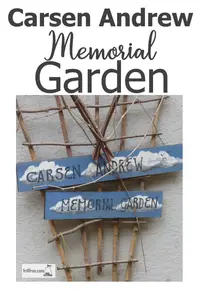
Carsen Andrew Memorial Garden; Trigger Warning - dealing with loss
Designing and planning the Carsen Andrew Memorial Garden is my way of staying sane when I lose a loved one, or in this case, two...,
Sustainable Gardening e-Book - organic gardening
Sustainable Gardening e-Book - guidelines for organic gardening...

 Jacki Cammidge
AUTHOR BIO
Jacki Cammidge is a Certified Horticulturist who helps gardeners grow more with less through low-input, budget-friendly gardening and propagation. She has gardened her whole life, served as head propagator at a wholesale nursery, and handled thousands of rose and juniper cuttings.
Readers can find her at Frill Free on Facebook and Pinterest. Her frill-free approach was forged in northern BC, where horse manure, leaves, salvaged sawdust, and a deer-tested raised bed built her garden from scratch.