- Frill Free Horticulture
- Growing Ornamental Plants
- Plant Propagation
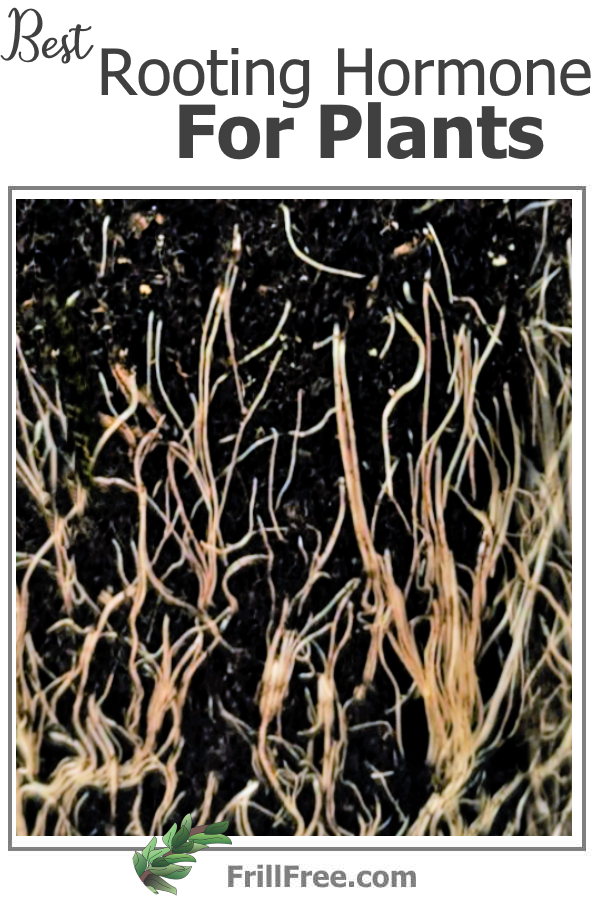
- Best Rooting Hormone for Plants
Jacki Cammidge is a Certified Horticulturist specializing in frugal, low-input gardening and propagation, with lifelong hands-on experience and years as a wholesale nursery head propagator.
The Best Rooting Hormone for Plants
for Different Plant Types
Depending on a particular plant and how you plan to root its cuttings, you might wonder which is the best hormone for rooting plants in your collection.
There are so many different options, ranging from DIY options in liquid form, to something straight from the pantry, to tried and tested commercial preparations.
Each plant is unique in its needs, and each method of propagation requires something different. Even the time of year and the type of growth will make a choice more difficult.
This is why propagators keep records of what type of hormone, in what form, and all the other factors that can influence a successful outcome.
When I worked for a wholesale nursery growing woody plants in Langley, British Columbia, the way these records were kept was in a file using index cards, a different one for each plant, each time they were propagated.
Even something as individual as the weather and how long of a cold period the mother plants are exposed to can influence the outcome.
Looking back at the success rates, something that was done much later after the majority of cuttings were rooted, was eye opening.
Then, keeping track of what to do next time on the back of the card could give a place to start when the season rolled around. I wish I could go back and look at those records again, but of course, those remained at the nursery for the next head propagator to use.
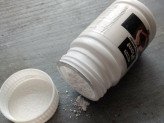
For the most part, we used Stimroot brand rooting hormone which comes in different strengths for distinct plants. Based on the written records (see above, index cards) we would determine whether we needed to change whichever one was listed, or to go with the same one.
Each batch of cuttings would root at a particular rate, the faster the better, but if the hormone was too strong the cuttings would simply rot. It's a fine line between enough strength to speed the rooting process and too much.
Based on my experiences I'll share what I know about the right hormone to use for a particular plant, and what to avoid.

You might like these
Plant Propagation Station - everything you need for success
Plant Propagation Station - everything you need to grow plants successfully, from seed to cuttings to repotting...
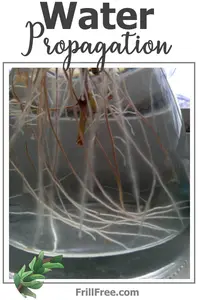
How to use water for propagation
Some plants are so easy to root in a jar of plain water, why wouldn't you use water propagation for growing more plants?
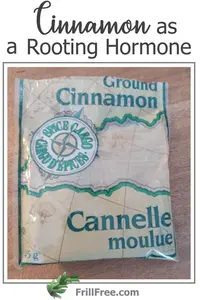
Cinnamon as a Rooting Hormone - myth or madness?
Can you use Cinnamon as a Rooting Hormone? Why or why not?

 Jacki Cammidge
AUTHOR BIO
Jacki Cammidge is a Certified Horticulturist who helps gardeners grow more with less through low-input, budget-friendly gardening and propagation. She has gardened her whole life, served as head propagator at a wholesale nursery, and handled thousands of rose and juniper cuttings.
Readers can find her at Frill Free on Facebook and Pinterest. Her frill-free approach was forged in northern BC, where horse manure, leaves, salvaged sawdust, and a deer-tested raised bed built her garden from scratch.