- Frill Free Horticulture
- Plant Propagation
- Best Rooting Hormone for Plants
- Cinnamon as a Rooting Hormone
Jacki Cammidge is a Certified Horticulturist specializing in frugal, low-input gardening and propagation, with lifelong hands-on experience and years as a wholesale nursery head propagator.
Cinnamon as a Rooting Hormone?
Why not?
I am a participant in the Amazon Services LLC Associates Program, an affiliate advertising program designed to provide a means for me to earn fees by linking to Amazon.com and affiliated sites. Other links on this site may lead to other affiliates that I'm associated with.
Cinnamon might prevent fungal infections in seedlings and cuttings, but that doesn't make it a rooting hormone.
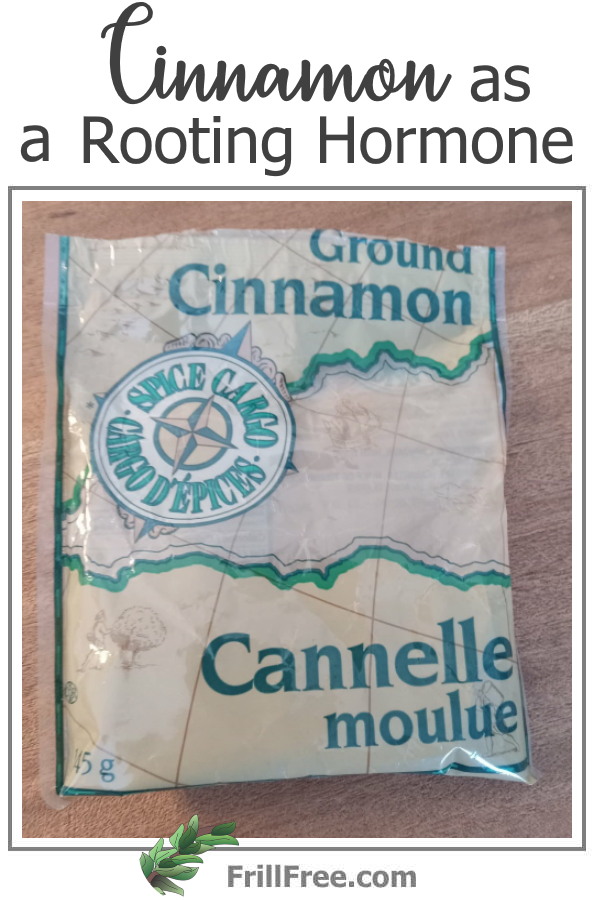
As it's not a hormone, plants won't get triggered to make roots.
However, one of the most beneficial uses, besides its delicious smell, is to eliminate fungus.
Using cinnamon as a fungicide on plants is pretty simple; sprinkle it on, wherever you see a fungus starting, or if you want to keep seedlings safe from damping off.
So you can see how it might work on rooting plants. You would dip the cutting into powdered cinnamon, then stick it in the soil.
Wherever the fungus is exposed to cinnamon in its early stages, it would stop it from growing and infecting the plant material before it roots.
What really happens is it gives the plant more time to root instead of rotting.
I can see where the myth was born that cinnamon is a good rooting hormone, but now it's busted.
Keep some cinnamon on hand if you want to eliminate fungus infections and keep your cuttings and seedling safe, but don't expect it to be a magic bullet to make your cuttings root better or faster.
You might like these
Plant Propagation Station - everything you need for success
Plant Propagation Station - everything you need to grow plants successfully, from seed to cuttings to repotting...
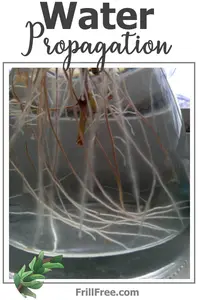
How to use water for propagation
Some plants are so easy to root in a jar of plain water, why wouldn't you use water propagation for growing more plants?
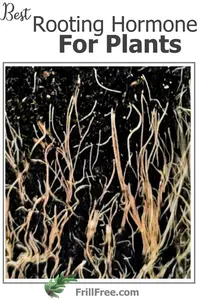
Best Rooting Hormone for Plants: What Works for Each Plant
Learn the best rooting hormone for plants based on cutting type, season, and strength, so you can avoid rot and boost rooting success rates.
 Jacki Cammidge
AUTHOR BIO
Jacki Cammidge is a Certified Horticulturist who helps gardeners grow more with less through low-input, budget-friendly gardening and propagation. She has gardened her whole life, served as head propagator at a wholesale nursery, and handled thousands of rose and juniper cuttings.
Readers can find her at Frill Free on Facebook and Pinterest. Her frill-free approach was forged in northern BC, where horse manure, leaves, salvaged sawdust, and a deer-tested raised bed built her garden from scratch.