- Frill Free Horticulture
- Plant Propagation
- How To Use Rooting Hormone
Jacki Cammidge is a Certified Horticulturist specializing in frugal, low-input gardening and propagation, with lifelong hands-on experience and years as a wholesale nursery head propagator.
How To Use Rooting Hormone
Liquid, Dilution or Powder
There are many different kinds of rooting hormones to choose from, and also a multitude of methods for using rooting hormone.
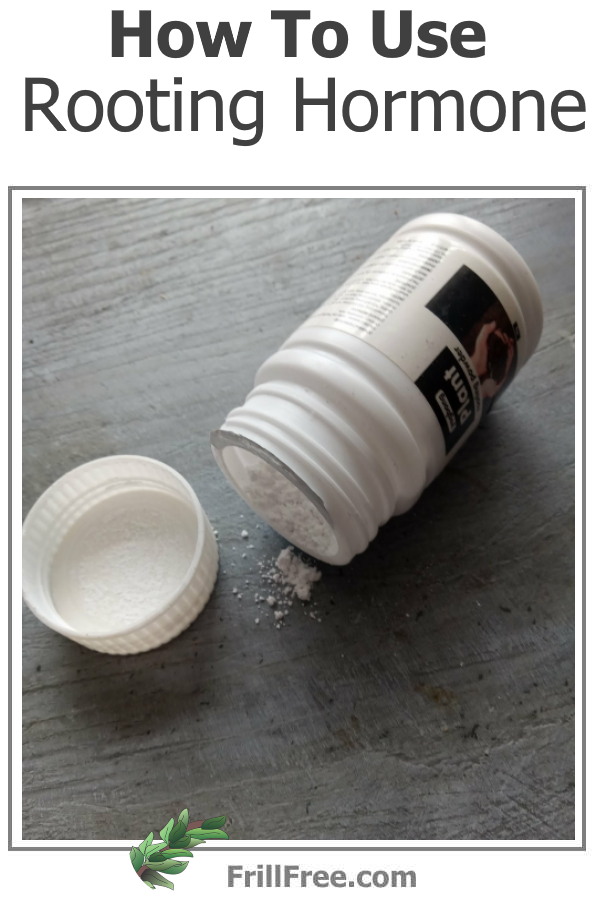
It also depends on the time of year, for the different growth of the plant you're propagating.
For instance, junipers (Juniperus sp) require a certain cold period before rooting the newest growth, and generally, at the hardy plant nursery I worked at they would require Stimroot #2 powder, but if we tried to root them at other times of the year they needed something stronger, like #1 or Woods Rooting Compound, which is a liquid formulation.
For the best results, the cuttings would be taken in December or January, with a cutoff at around the end of February.
Any later than that and there was very poor success. The cuttings were prepared, and collected into handfuls, with a rubber band around it and then the whole lot was chucked into a bucket of fungicide.
Then the bundles of cuttings would be taken out and dried, upside down so they drained off, and then dipped into the hormone powder.
They would then be struck into a bed in the greenhouse with bottom heat, but no other heat. The whole greenhouse would be cold, a little uncomfortable to work in but the bottom heat kept it reasonably warm close to the bed.
This method was for thousands of cuttings I prepared over the winter, so not really applicable for a home situation where you might be taking only a handful of a particular plant, so this is how it would look there.
How to Use Rooting Hormone in a Home Situation
You would take your cuttings and prepare them (so cut off any excess leaves, or cut the leaves in half) and then using a clean container like a pill bottle you would put maybe a teaspoon or less of the hormone powder from your jar into it. Make sure it's totally dry.
This prevents contamination of the whole jar by any kind of pathogen.
Then you put the ends of the cuttings into your pill bottle, and shake it well, holding the cuttings in place.
This gives the powder a chance to cover the whole bottom part of the stem. The stems should be dry, or the powder will be too thick and burn the cuttings, preventing them from rooting and possibly rotting the end.
Make sure to choose the appropriate hormone for the plant you're trying to propagate, and for its stage of growth.
For liquid formulations you could use the same process, and let the cuttings dry a bit before sticking them. This allows the stem to take up the hormone along with the water, giving it a better chance of reaching the right cells that will form the roots.
You might like these
Plant Propagation Station - everything you need for success
Plant Propagation Station - everything you need to grow plants successfully, from seed to cuttings to repotting...
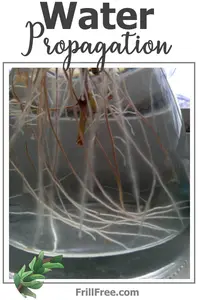
How to use water for propagation
Some plants are so easy to root in a jar of plain water, why wouldn't you use water propagation for growing more plants?
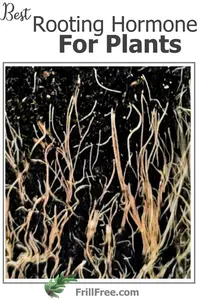
Best Rooting Hormone for Plants: What Works for Each Plant
Learn the best rooting hormone for plants based on cutting type, season, and strength, so you can avoid rot and boost rooting success rates.
 Jacki Cammidge
AUTHOR BIO
Jacki Cammidge is a Certified Horticulturist who helps gardeners grow more with less through low-input, budget-friendly gardening and propagation. She has gardened her whole life, served as head propagator at a wholesale nursery, and handled thousands of rose and juniper cuttings.
Readers can find her at Frill Free on Facebook and Pinterest. Her frill-free approach was forged in northern BC, where horse manure, leaves, salvaged sawdust, and a deer-tested raised bed built her garden from scratch.