- Frill Free Horticulture
- Plant Propagation
- Best Rooting Hormone for Plants
- Honey as a Rooting Hormone
Jacki Cammidge is a Certified Horticulturist specializing in frugal, low-input gardening and propagation, with lifelong hands-on experience and years as a wholesale nursery head propagator.
Honey as a Rooting Hormone
Myth, or Magic?
Honey is good for many things, but it is not a rooting hormone. What it does have are antibacterial and antifungal properties, which can give a cutting a fighting chance.
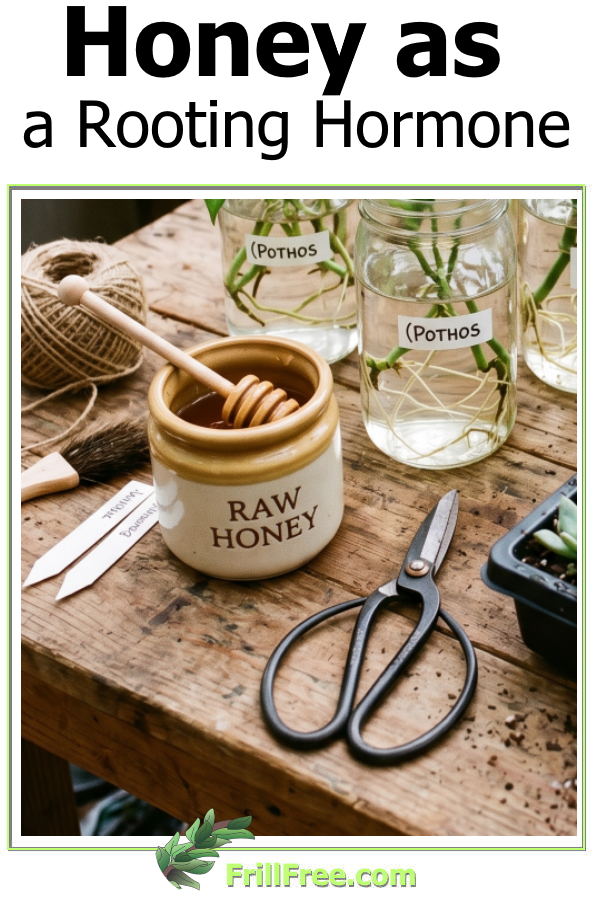
Honey is often suggested as a natural "rooting hormone", but that description is not quite accurate. Honey does not contain the plant hormones, such as auxins, that commercial rooting powders and gels use to actively stimulate root formation.
What honey can do is help protect a fresh cutting because it has
well-known antimicrobial properties and high sugar content, which can
inhibit some microbes on the wounded stem surface. In that sense, honey
may act more like a wound dressing than a true rooting hormone.
For
plant propagation, rooting hormones are usually based on synthetic or
naturally derived auxins, most commonly indole-3-butyric acid (IBA) or
1-naphthaleneacetic acid (NAA). Try saying that three times, fast.
These compounds are used because they improve the chances of adventitious root formation on many types of cuttings.
University and extension sources consistently describe rooting products in those terms, which is why honey should be viewed as a folk substitute rather than an equivalent replacement.
That said, some gardeners still use honey when taking cuttings, especially for easy-rooting plants like pothos, mint, coleus, basil, or tradescantia.
The usual method is simple: take a healthy cutting just below a node, remove the lower leaves, dip the cut end lightly in clean honey, and stick it into a moist propagation medium such as sterile potting mix, perlite, vermiculite, or a perlite-peat blend.
Good sanitation matters more than the honey itself—use a clean blade, fresh medium, and a container with drainage. Keep the medium moist but not waterlogged, and provide bright indirect light.
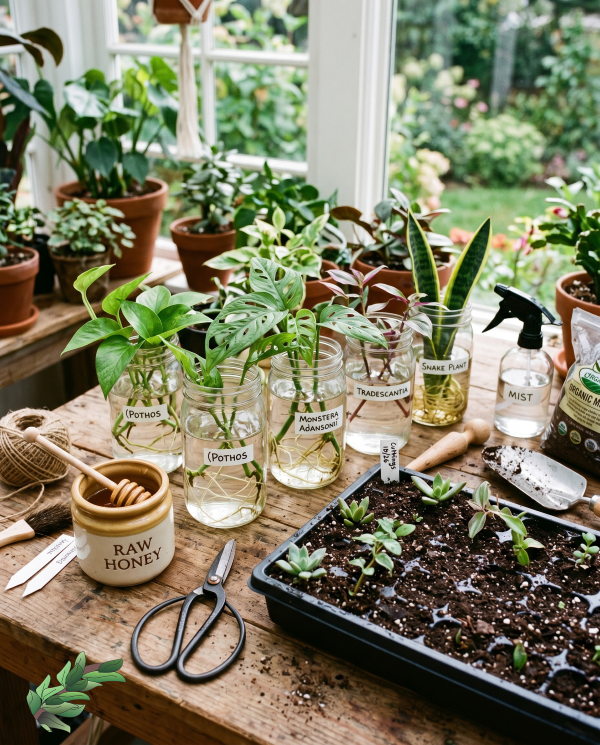 Is honey a good alternative to rooting hormone? Or is this just a myth?
If you want reliable results, commercial rooting hormone is generally a
better choice, especially for woody, semi-hardwood, or difficult-to-root
plants such as roses, hydrangeas, camellias, and many shrubs.
Honey
may not hurt if used sparingly, but too much can become sticky, attract
contaminants, or potentially encourage mold if conditions are poor. Ants are also attracted to anything sweet.
Also, because honey composition varies by floral source and processing, it is not standardized the way commercial rooting products are.
So, the bottom line is this: honey is a natural propagation aid, not a true rooting hormone. It may help reduce microbial problems on a cutting and may be worth trying on soft, easy plants if you enjoy low-cost experiments.
If your goal is to maximize rooting success, especially for valuable or difficult cuttings, use a proper rooting hormone and sound propagation practices.
Healthy parent plants, correct cutting technique, clean tools, suitable medium, humidity, and patience matter far more than honey alone.
So if you want to use honey as a rooting dip, feel free, but just know that it's not a hormone, even if it will give cuttings a head start on the rooting process.
You might like these
Plant Propagation Station - everything you need for success
Plant Propagation Station - everything you need to grow plants successfully, from seed to cuttings to repotting...
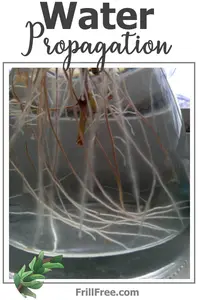
How to use water for propagation
Some plants are so easy to root in a jar of plain water, why wouldn't you use water propagation for growing more plants?
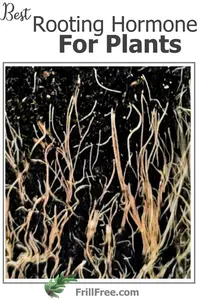
Best Rooting Hormone for Plants: What Works for Each Plant
Learn the best rooting hormone for plants based on cutting type, season, and strength, so you can avoid rot and boost rooting success rates.
 Jacki Cammidge
AUTHOR BIO
Jacki Cammidge is a Certified Horticulturist who helps gardeners grow more with less through low-input, budget-friendly gardening and propagation. She has gardened her whole life, served as head propagator at a wholesale nursery, and handled thousands of rose and juniper cuttings.
Readers can find her at Frill Free on Facebook and Pinterest. Her frill-free approach was forged in northern BC, where horse manure, leaves, salvaged sawdust, and a deer-tested raised bed built her garden from scratch.