- Frill Free Horticulture
- Ask The Horticulturist
- Winterizing Your Indoor Plants
Jacki Cammidge is a Certified Horticulturist specializing in frugal, low-input gardening and propagation, with lifelong hands-on experience and years as a wholesale nursery head propagator.
Winterizing Your Indoor Plants
Moving Them Back Indoors
Bringing plants indoors for the winter after they’ve spent the summer outside takes a bit of planning, but it can save your favorite houseplants, tender perennials, and herbs from cold damage.

The transition matters because outdoor conditions are very different from the environment inside your home.
Plants that have enjoyed fresh air, bright light, rain, and humidity can struggle when moved into drier indoor air with shorter days and less sunlight.
A careful approach helps reduce shock and keeps plants healthier through the colder months.
The first step is timing. Don’t wait until the first frost is actually hitting your plants. Many tropical and tender plants begin to suffer before temperatures reach freezing. Once nighttime temperatures regularly dip below about 50°F (10°C), it’s usually time to start bringing most warm-weather plants inside.
Check the needs of each plant, since some are more sensitive than others. Hibiscus, coleus, begonias, peppers, and many common houseplants that vacationed outdoors should come in early.
Before bringing anything inside, inspect each plant closely. This is one of the most important parts of the process.
Outdoor plants often collect hitchhikers such as spider mites, aphids, mealybugs, scale, whiteflies, slugs, and ants. Look under leaves, along stems, around the soil surface, and inside drainage holes.
If you see pests, treat the plant before it enters your home. A strong spray of water can dislodge many insects. You can also wash leaves gently with insecticidal soap or another appropriate treatment.
For whitefly, scale and others that will spread, a light spray of isopropyl alcohol will also work. Keep the plants shaded from sunlight after treating, and maybe try it on a couple of unwanted leaves first before wholesale spraying.
Isolating plants for a week or two before placing them near your indoor collection is a smart extra step if you have the space.
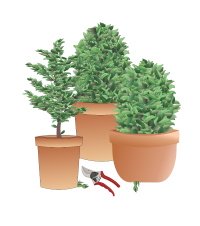
It’s also a good idea to clean the plants up. Remove dead leaves, damaged stems, and faded flowers. Pruning lightly can make plants easier to manage indoors and may reduce the stress on the plant as it adapts to lower light.
However, avoid severe pruning right before the move unless the plant specifically benefits from it. The goal is to tidy and reduce excess growth, not force a major recovery during transition.
Pots and Soil
Next, consider the pot and soil. If plants have grown a lot over summer, they may be rootbound or sitting in tired potting mix.
Sometimes repotting is helpful, but in many cases it’s best not to do too much at once. If the plant is healthy, you can wait until late winter or early spring to repot. At minimum, wipe down the pot, remove weeds or debris from the soil surface, and make sure drainage is good.
Never bring in garden soil from outdoor beds in containers if you can avoid it, since it may introduce pests and disease.
Light
Once indoors, expect an adjustment period. Even healthy plants may drop some leaves as they react to the change in light and humidity.
If you see some of the lower leaves start to yellow, don't panic. Plants that grow well outdoors in bright sunlight will drop leaves that are older, as they are the ones that don't work as well for photosynthesis.
Place them in the brightest location available, ideally near a south- or east-facing window, depending on the plant.
You may need grow lights for sun-loving plants. Keep them away from heating vents, radiators, and cold drafts from doors or windows. Indoor air is often much drier in winter, so increasing humidity can help. Grouping plants together, using pebble trays, or running a humidifier are all useful options.
Watering and Fertilizer
Watering must also change. Plants usually need less water indoors during winter because growth slows and evaporation drops.
One of the most common mistakes is overwatering after the move inside. Check the soil before watering and let the top layer dry as needed for the specific plant. See more tips for watering tropical plants here.
Fertilizing should also be reduced or paused for many plants until active growth resumes.
Finally, be patient and observant. Watch for pests, leaf drop, yellowing, or signs of stress, and adjust care as needed.
Bringing plants indoors for winter is not just about protecting them from the cold. It’s about helping them make a seasonal transition successfully.
With a little attention before and after the move, your plants can rest indoors through winter and be ready to thrive outside again when warm weather returns.
 Jacki Cammidge
AUTHOR BIO
Jacki Cammidge is a Certified Horticulturist who helps gardeners grow more with less through low-input, budget-friendly gardening and propagation. She has gardened her whole life, served as head propagator at a wholesale nursery, and handled thousands of rose and juniper cuttings.
Readers can find her at Frill Free on Facebook and Pinterest. Her frill-free approach was forged in northern BC, where horse manure, leaves, salvaged sawdust, and a deer-tested raised bed built her garden from scratch.