- Frill Free Horticulture
- Growing Ornamental Plants
- Garden Plant Pots
- Garden Planters
Jacki Cammidge is a Certified Horticulturist specializing in frugal, low-input gardening and propagation, with lifelong hands-on experience and years as a wholesale nursery head propagator.
Garden Planters
The Outdoors, Confined
Garden planters can range from tiny hypertufa thumb pots to gigantic ceramic pots, and everything in between.
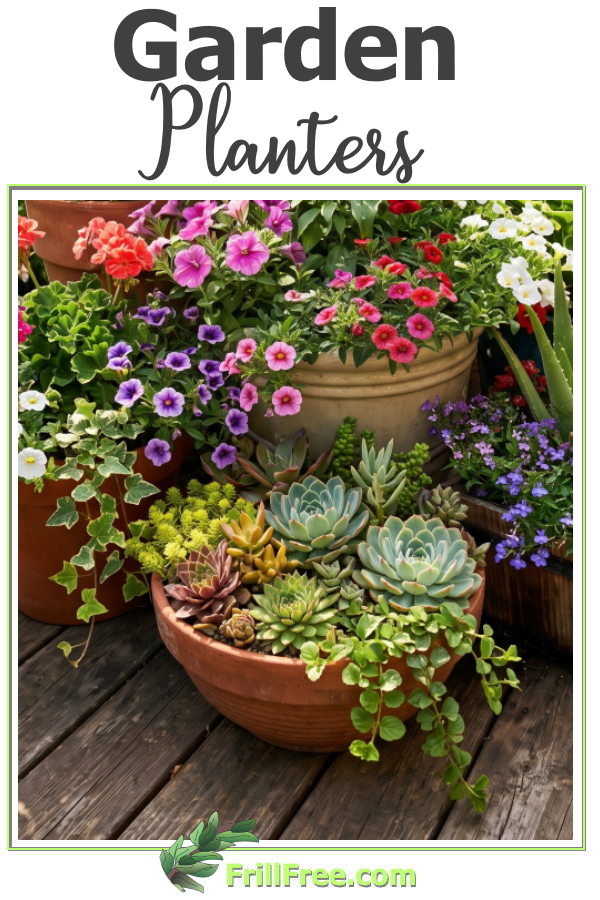
Garden planters are one of the simplest ways to add beauty, structure, and flexibility to any outdoor or indoor space.
Whether you have a large backyard, a small balcony, a patio, or just a sunny windowsill, planters make gardening more accessible and creative.
They allow people to grow flowers, herbs, vegetables, and even small shrubs without needing a traditional garden bed.
One of the biggest advantages of garden planters is versatility. They come in many shapes, sizes, and materials, including terracotta, ceramic, plastic, wood, metal, and fabric.
Each material has its own strengths. Terracotta planters are classic and attractive, offering good airflow to roots, though they can dry out quickly.
Plastic planters are lightweight, affordable, and easy to move. You might be interested in self watering pots too.
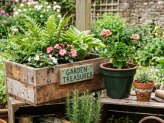
Wooden planters create a natural look that blends well with outdoor spaces. Sometimes a wooden planter box is lined with some poly to make it less prone to rotting.
Metal containers can give a modern, stylish appearance, but they most often need to be displayed in the shade, due to the fact that they'll get too hot. Roots don't like to be cooked by the heat of the metal in the sun.
Fabric grow bags are also increasingly popular because they are portable and promote healthy root development. They're easy to fold up and store at the end of the season.
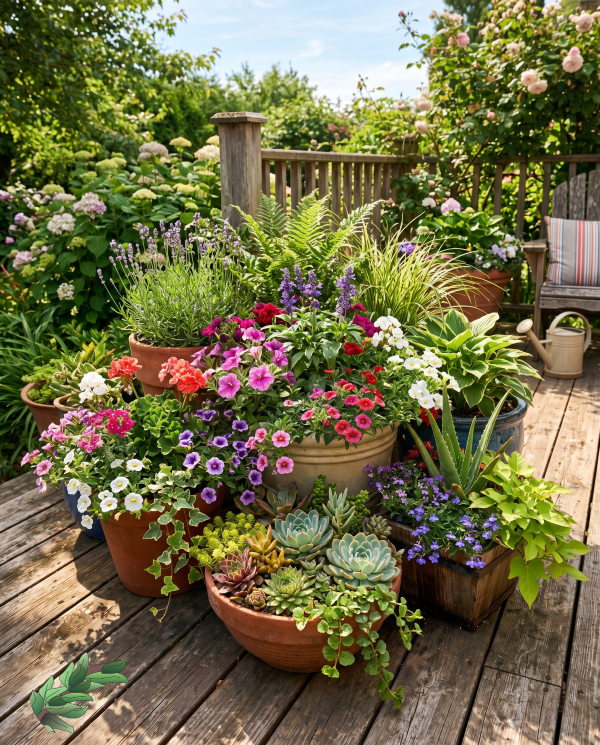 Grow whatever you like - succulents, annuals or perennials
Planters are especially useful for people with limited space. Urban gardeners often rely on containers to grow plants on balconies, rooftops, and decks.
Vertical planter systems can maximize tight spaces by allowing multiple plants to grow upward instead of outward.
This makes it possible to create a lush garden even in compact environments. For renters, planters are also ideal because they are not permanent and can move with you.
Another benefit of garden planters is better control over growing conditions.
Gardeners can choose the exact soil mix their plants need, which is particularly important for herbs, vegetables, and flowers with specific requirements.
Good drainage is essential, so most planters should have drainage holes to prevent root rot. Don't use broken crockery or pebbles in the bottom. That just prevents drainage, rather than promote it. Use a piece of newspaper, folded over a few times to cover the drain holes, or a tea bag.
Using quality potting mix instead of heavy garden soil helps containers retain moisture while still allowing air to reach the roots. Plus it makes them easier to move around.
Container plants depend entirely on the gardener for water and nutrients. Regular watering and feeding are super important if you're going to succeed in growing plants this way.
In some places by filling containers with leaves or twigs, then using some natural fertilizers people have developed a method of growing vegetables very successfully. Apparently, there are whole gardens on flat rooftops growing enough food for many families.
So soil itself isn't even necessary. Just something to hold the roots of the plants.
Garden planters also make design easier. A well-placed container can serve as a focal point, frame an entryway, soften the edges of a patio, or add color to dull corners. By combining plants of different heights, textures, and colors, you can create striking arrangements.
The "thriller, filler, spiller" method is a popular design approach: a tall, dramatic plant serves as the centerpiece, medium plants fill in the body, and trailing plants spill over the sides. This technique gives planters a full, balanced look.
In addition to aesthetics, planters can improve accessibility. Raised planters and elevated containers reduce the need for bending and kneeling, making gardening easier for older adults or people with mobility challenges.
They also help keep certain pests (like ground squirrels or slugs) away and can make harvesting herbs and vegetables much easier.
Overall, garden planters offer a practical and attractive way to enjoy gardening almost anywhere. They support creativity, adapt to different lifestyles, and open the door for beginners and experienced gardeners alike.
With the right planter, suitable plants, and consistent care, even the smallest space can become a thriving, beautiful garden.
Whatever kind of garden planters you choose for your display, make them a part of your master vision and keep to a theme.
 Jacki Cammidge
AUTHOR BIO
Jacki Cammidge is a Certified Horticulturist who helps gardeners grow more with less through low-input, budget-friendly gardening and propagation. She has gardened her whole life, served as head propagator at a wholesale nursery, and handled thousands of rose and juniper cuttings.
Readers can find her at Frill Free on Facebook and Pinterest. Her frill-free approach was forged in northern BC, where horse manure, leaves, salvaged sawdust, and a deer-tested raised bed built her garden from scratch.