- Frill Free Horticulture
- Seed Planting
- Raised Bed Planting Guide
Jacki Cammidge is a Certified Horticulturist specializing in frugal, low-input gardening and propagation, with lifelong hands-on experience and years as a wholesale nursery head propagator.
Raised Bed Planting Guide
Got raised beds and don't know how to transfer into growing plants in this unique and different way? Here's a guide for that. Use these tips to get going, I bet you'll never go back.
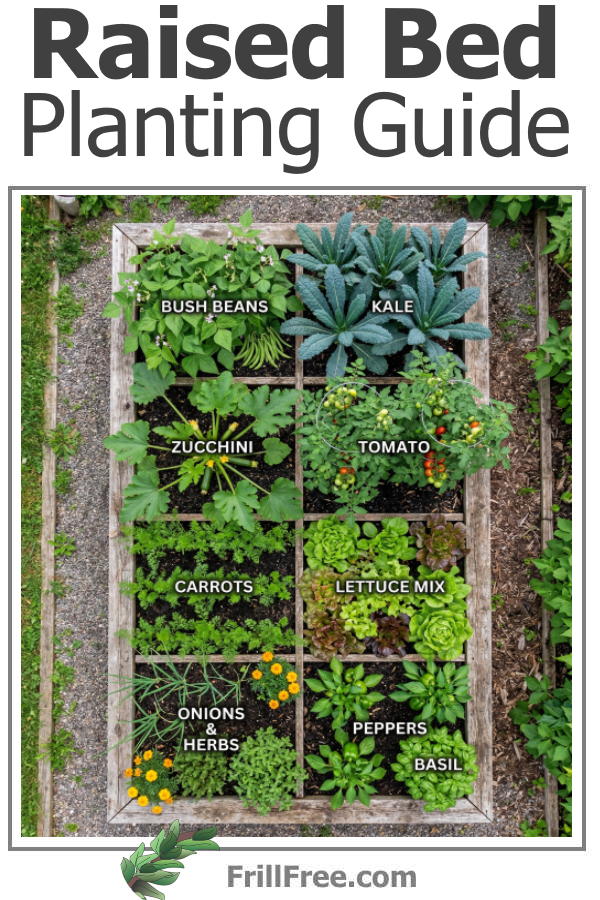
Here’s a raised-bed version of the soil-temperature planting guide.
Why raised beds are different
- Soil in raised beds warms faster in spring
- They drain better, so seeds are less likely to rot in cold wet soil
- They can also dry out faster in hot weather
- In many areas, raised beds are ready 1–2 weeks earlier than in-ground beds
Use soil temperature, not calendar only
Check temperature 1–2 inches deep in the morning.
Raised-bed planting by soil temperature
35–45°F
Can plant very early cool-season crops
- Spinach
- Peas
- Lettuce
- Onions
- Radishes
Tips
- Germination may still be slow
- Use row cover or low tunnels for even earlier planting
- Keep soil lightly moist, not soggy
45–55°F
Good for most cool-season roots and brassicas
- Carrots
- Beets
- Swiss chard
- Kale
- Broccoli
- Cabbage
- Cauliflower
- Parsley
- Cilantro
- Dill
Tips
- Raised beds help carrots and beets germinate more evenly if moisture is maintained
- Cover carrot seed lightly and do not let the surface dry out
55–65°F
Transition zone for more crops
- Potatoes
- More lettuce
- More carrots
- Some corn at the upper end
- Transplant hardy greens
Tips
- This is a good time for succession planting
- If nights are still cold, warm-loving crops should still wait
60°F+
Safe range for many warm-season direct-sown crops
- Beans
- Corn
- Cucumbers
- Squash
- Pumpkins
Tips
- Raised beds often reach this temperature sooner than ground soil
- Black plastic or dark mulch can warm the bed even faster
- Do not plant beans into cold damp soil
65–75°F+
Best for heat-loving crops
- Tomatoes
- Peppers
- Eggplant
- Melons
- Basil
- Okra
Tips
- These are usually transplanted, except some melons and okra
- Warm soil helps roots establish faster
- Mulch after the soil is warm to hold moisture and reduce stress
Simple raised-bed seasonal guide
Very early spring
Plant when bed soil reaches 35–45°F
- Spinach
- Peas
- Lettuce
- Radishes
- Onions
Early to mid-spring
Plant when bed soil reaches 45–55°F
- Carrots
- Beets
- Kale
- Broccoli
- Cabbage
- Cauliflower
- Herbs like parsley and cilantro
Late spring
Plant when bed soil reaches 60°F
- Beans
- Corn
- Cucumbers
- Squash
- Pumpkins
Late spring to early summer
Plant when bed soil reaches 65–75°F
- Tomatoes
- Peppers
- Eggplant
- Melons
- Basil
- Okra
Raised-bed advantages
- Earlier spring planting
- Better drainage
- Easier weed control
- Easier soil improvement
- Good root growth for carrots and other root crops
Raised-bed cautions
- Beds can dry out quickly, especially in sun and wind
- Soil can get too hot in summer
- Seeds near the surface may fail if the top layer dries out
Best practices for raised beds
- Water gently and consistently during germination
- Add compost to improve moisture holding
- Use row cover for cold nights
- Use mulch after seedlings are established
- In hot climates, consider afternoon shade for lettuce and greens
- Recheck soil temperature often because raised beds change faster than in-ground soil
Quick raised-bed rule
- Cool crops first
- Warm crops after 60°F
- Heat lovers after 65°F and frost is past
You might like these
Do Not Waste Water - conserve a precious resource in the home & garden
Do Not Waste Water; this precious resource is not infinite, and we need to conserve water in homes and gardens; learn how to effectivigly minimize water waste...
Carsen Andrew Memorial Garden; Trigger Warning - dealing with loss
Designing and planning the Carsen Andrew Memorial Garden is my way of staying sane when I lose a loved one, or in this case, two...,
Sustainable Gardening e-Book - organic gardening
Sustainable Gardening e-Book - guidelines for organic gardening...

 Jacki Cammidge
AUTHOR BIO
Jacki Cammidge is a Certified Horticulturist who helps gardeners grow more with less through low-input, budget-friendly gardening and propagation. She has gardened her whole life, served as head propagator at a wholesale nursery, and handled thousands of rose and juniper cuttings.
Readers can find her at Frill Free on Facebook and Pinterest. Her frill-free approach was forged in northern BC, where horse manure, leaves, salvaged sawdust, and a deer-tested raised bed built her garden from scratch.