- Frill Free Horticulture
- Growing Vegetables
- Planting Guide for USDA Zones
Jacki Cammidge is a Certified Horticulturist specializing in frugal, low-input gardening and propagation, with lifelong hands-on experience and years as a wholesale nursery head propagator.
Planting Guide for USDA Zones
If you're in any of these USDA zones, this is a general guide for planting in your area. Keep in mind that in these zones there are micro climates, and also ways to warm up the soil prior to planting which are not discussed here.
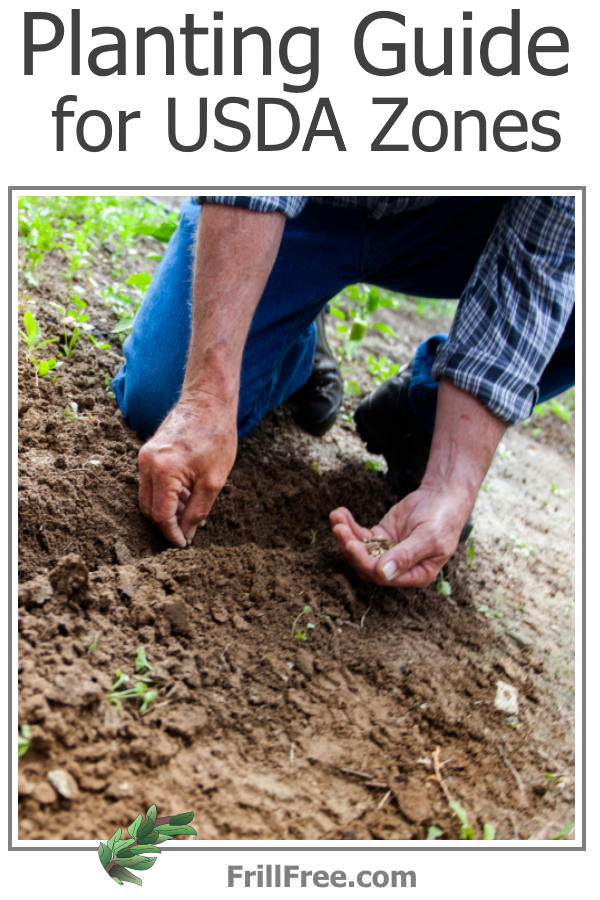
Here’s a simple USDA zone-based planting guide using soil temperature as the main timing signal.
Important note
- Zones tell you average winter cold, not exact planting dates.
- The best time to sow is still based on soil temperature and local frost dates.
- Use this as a starting guide.
USDA Zones 3–4
Very short growing season, cold spring soil
Early spring, as soon as soil reaches 35–45°F
- Spinach
- Peas
- Lettuce
- Onions
- Radishes
Mid-spring, soil 45–55°F
- Carrots
- Beets
- Kale
- Broccoli
- Cabbage
- Cauliflower
- Parsley
- Cilantro
Late spring to early summer, soil 60°F+
- Beans
- Corn
- Cucumbers
- Squash
- Pumpkins
Early summer, soil 65–75°F+
- Tomatoes
- Peppers
- Eggplant
- Melons
- Basil
- Okra only in warm microclimates
Best tip for zones 3–4
- Start warm-season crops indoors
- Use row covers, black plastic, or raised beds to warm soil faster
USDA Zones 5–6
Moderate spring, good range for cool- and warm-season crops
Early spring, soil 35–45°F
- Spinach
- Peas
- Lettuce
- Onions
- Radishes
Mid-spring, soil 45–55°F
- Carrots
- Beets
- Kale
- Broccoli
- Cabbage
- Cauliflower
- Parsley
- Cilantro
- Dill
Late spring, soil 55–65°F
- Potatoes
- Swiss chard
- more lettuce and carrots
After last frost, soil 60°F+
- Beans
- Corn
- Cucumbers
- Squash
- Pumpkins
When soil is fully warm, 65–75°F+
- Tomatoes
- Peppers
- Eggplant
- Melons
- Basil
- Okra in warmer parts of zone 6
Best tip for zones 5–6
- Don’t rush beans or cucumbers into cold soil
- Tomatoes and peppers do much better if transplanted after the soil warms well
USDA Zones 7–8
Longer growing season, earlier spring, often good fall gardening too
Late winter to early spring, soil 35–45°F
- Spinach
- Peas
- Lettuce
- Onions
- Radishes
Early to mid-spring, soil 45–55°F
- Carrots
- Beets
- Kale
- Broccoli
- Cabbage
- Cauliflower
- Parsley
- Cilantro
- Potatoes
Mid- to late spring, soil 60°F+
- Beans
- Corn
- Cucumbers
- Squash
- Pumpkins
Late spring, soil 65–75°F+
- Tomatoes
- Peppers
- Eggplant
- Melons
- Basil
- Okra
Fall planting option
In many zone 7–8 areas, you can plant these again for fall:
- Lettuce
- Spinach
- Radishes
- Carrots
- Kale
- Broccoli
- Cabbage
- Cilantro
Best tip for zones 7–8
- Use succession planting for lettuce, beans, and cucumbers
- Protect cool-season crops from sudden heat in late spring
USDA Zones 9–10
Mild winters, hot summers, cool-season gardening often works best in fall through spring
Fall to winter, soil cooling to 40–75°F
- Lettuce
- Spinach
- Peas
- Radishes
- Carrots
- Beets
- Kale
- Broccoli
- Cabbage
- Cauliflower
- Onions
- Parsley
- Cilantro
- Dill
Spring, after soil reaches 60°F+
- Beans
- Corn
- Cucumbers
- Squash
- Pumpkins
Late spring, soil 65–75°F+
- Tomatoes
- Peppers
- Eggplant
- Melons
- Basil
- Okra
Hot weather caution
- Lettuce, spinach, and cilantro often bolt quickly in heat
- Tomatoes may struggle to set fruit in very high temperatures
- Mulch helps moderate soil heat and moisture
Best tip for zones 9–10
- Focus on cool-season vegetables in fall and winter
- Grow heat-lovers before extreme summer heat arrives
USDA Zones 11+
Tropical or near-tropical climate, planting depends more on wet/dry season and extreme heat than frost
Cooler part of the year
- Lettuce
- Greens
- Herbs like cilantro and parsley
- Brassicas if your local climate allows
Warm part of the year
- Beans
- Corn
- Cucumbers
- Squash
- Melons
- Basil
- Okra
- Peppers
- Eggplant
- Sweet potatoes
Best tip for zones 11+
- Use local seasonal patterns, not frost dates
- Shade cloth and mulch are often more important than cold protection
Quick reference by soil temperature
- 35–45°F: spinach, peas, onions, lettuce
- 45–55°F: carrots, beets, brassicas, parsley
- 60°F+: beans, cucumbers, squash, corn
- 65–75°F+: tomatoes, peppers, eggplant, melons, basil, okra
Best overall rule
If your soil is still cold, wait.
Seeds planted in ideal soil usually catch up and outperform seeds planted too early.
You might like these
Growing Vegetables; nutritious, organic produce from your garden
Give your health a boost by growing your own vegetables, and also a workout...
Best Flowers for your Vegetable Garden - attract pollinators
Attract pollinators, repel pests; Best Flowers for your Vegetable Garden...
Growing Vegetables In Pots - small container garden
Growing Vegetables in Pots - small container garden
 Jacki Cammidge
AUTHOR BIO
Jacki Cammidge is a Certified Horticulturist who helps gardeners grow more with less through low-input, budget-friendly gardening and propagation. She has gardened her whole life, served as head propagator at a wholesale nursery, and handled thousands of rose and juniper cuttings.
Readers can find her at Frill Free on Facebook and Pinterest. Her frill-free approach was forged in northern BC, where horse manure, leaves, salvaged sawdust, and a deer-tested raised bed built her garden from scratch.